Programme

The programme is still preliminary. Changes may occur. Please stay updated via our newsletter and social media.

Latest changes

Day one

Saturday September 26

9:00 – 9:30 

Registration

9:30 – 10:00

Opening Ceremony

Rosie Bissett, president of EDA
Representatives from the Polish Asssociation and the University of Gdansk

10:00 – 10:20

EDA, Dyslexia research overview

Florentine Padel, board member of EDA

10:20 – 10:35

Short break with coffee

A picture of a coffee mug and a coffee pot

10:35 – 11:15

Keynote 1

“Wellbeing and Support – The Perspective of Adults with Dyslexia in Poland”

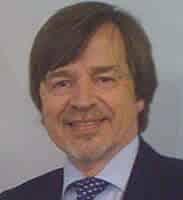
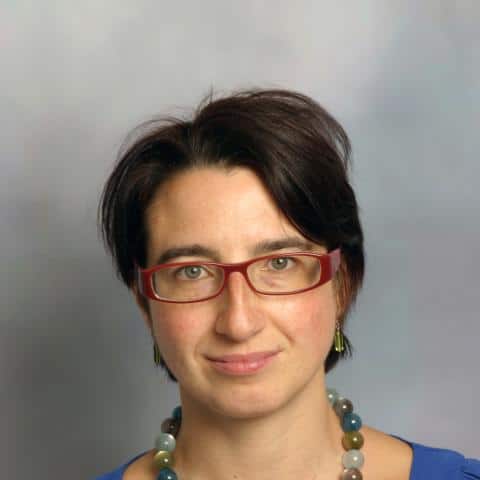
Photo of Marta

Flag of PolandMarta Łockiewicz
University of Gdańsk, Poland

11:15 – 12:00

Presentations

Life perpectives/dyslexia
Metacognitive Skills and Techniques for University Students with Specific Learning Difficulties (SpLDs) in Higher Education

Flag of FranceArtemis Kalamari,
University of Grenoble

The Journey towards Thriving Students and Employees: A Strengths-Based Approach of Neurodiversity

Flag of NetherlandsAmber Kersten,
Tilburg University

12:00 – 13:00

Lunch

An illustration of a group of people sitting eating around a table

13:00 – 13:40

Keynote 2

“The Heterogeneous Nature of Dyslexia: Diverse Developmental Pathways and Co-Occurring Challenges”

Photo of Kristina Moll

Flag of GermanyKristina Moll
University of Munich, Germany

Themed presentations in parallell sessions (1)

Math/Dyscalculia
Chaired by EDA

Assessment
Chaired by EDA

Adults
Chaired by EDA

13:45 – 14:30

Dyslexia and Dyscalculia Across the Lifespan: Inclusion, Identity, and Wellbeing

Flag of USAMary-Elizabeth Merrill
University of Washington 

Developing Subitizing Skills through Individualised Instruction: A Teaching Experiment with a Third Grade Student with Dyscalculia

Flag of TurkeyNur Banu Duran,
Pamukkale University, Turkey

13:45 – 14:30

Is it possible to identify developmental dyslexia in individuals with mild intellectual disability? ICD-11 reading profiles and severity thresholds.

Flag of PolandBartosz M. Radtke,
Laboratory of Psychological and Educational Tests in Gdańsk

Towards a Comprehensive Neurocognitive Assessment: A Systematic Review of Diagnostic and Intervention Protocols in Dyslexia.

Aitana García Campo
University Complutense, Spain

13:45 – 14:30

Reading to learn: Exploring reading practices among adolescents with dyslexia

Flag of SwedenKatarina Hagberg,
University of Borås, Sweden

The Personalized Labor Plan (PLP): A Patented Evidence-Based Framework for Neurodivergent Workforce Inclusion and Wellbeing

Flag of ItalyJenny Koyate 
Istituto Pavoniano Artigianelli, Italy

14:30 – 15:00

Coffee and refreshments

A picture of a coffee mug and a coffee pot

15:00 – 15:40

Live Streaming

Keynote 3 - Live Stream

NOTE: This keynote is Live Streamed and not in person

“Inside Dyscalculia: Cognitive Diversity, Learner Experiences, and Effective Targeted and Universal Interventions”

Flag of United KingdomJo Van Herwegen
University College London, United Kingdom

15:40 – 16:50

Presentations

Math/Dyscalculia
Connection Between Vocabulary and Early Numeracy Skills: Insights from 25,000 Pupils

Flag of PolandWeronika Jagodzińska,
Levebee, Poland

Genetic architecture of mathematical abilities: a meta-analysis GWAS using standardised educational and psychometric measures

Flag of United KingdomSilvia Paracchini,
University of St Andrews, UK

Co-producing SpLD research priorities and addressing mental health challenges through SLDN – a UK cross-disciplinary and cross-sector platform

Flag of United KingdomSilvia Paracchini,
University of St Andrews, UK

16:50 – 17:20

Panel discussion

Keynote speakers discuss the talks of the day together with reflections from the parallell sessions by EDA board members.

17:25

Day Closing session

20:00

Social Dinner

Chleb i Wino, Old Town 

Only pre-booked participants. Bring your ticket!

Pre-booked only!

A picture of a dinner set with the text "Social Dinner"

Day two

Sunday September 27

9:00

Opening of day two

9:00 – 9:45

Keynote 4

“Learning to read across languages: When dyslexia meets bilingualism”

Marie Lallier
Basque Center on Cognition, Brain, and Language, Spain

Themed presentations in parallell sessions (2)


Second language
Chaired by EDA 

Teacher knowledge
Chaired by EDA 

Higher education
Chaired by EDA 

9:45 – 10:30

Empowering Dyslexic Learners Through Assistive Technology: Evidence-Based Innovations for Inclusive Digital ESL Education

Flag of ItalyAnna Koval
DYXme – Learning ESL

Building Psychological Resilience in Learners with Dyslexia in the EFL Classroom: An Evidence-Based Inclusive Framework

unknown flagVicky Kaperoni

9:45 – 10:30

Understanding Dyslexia in Irish Classrooms: A Mixed-Methods Study Targeting Teacher Knowledge and Development

Flag of IrelandDonald Ewing, Dyslexia Ireland

Examining the Scope and Measurement of Teachers’ Dyslexia Knowledge Against Contemporary Definitions: A systematic review

Flag of Ireland

Paula Lehane, Dublin City University, Ireland

9:45 – 10:30

Supporting Students with Dyslexia and Poor Reading Comprehension in Teacher Education: Insights from a Co Teaching–Based Project at University College Copenhagen

Flag of DenmarkEva Theilgaard Brink, University College Copenhagenm Denmark

Towards Inclusive Higher Education: Lecturer Perspectives on Supporting Dyslexic Students

Flag of IrelandLaura Cleary-Keogh, Technological University Dublin, Ireland

10:30 – 11:00

Coffee and refreshments

A picture of a coffee mug and a coffee pot

Themed presentations in parallell sessions (3 & 4)


Teaching
Chaired by EDA 

Early identification
Chaired by EDA 

Higher education
Chaired by EDA 

11:00 – 11:45

Second Language Learning for Students with Specific Learning Difficulties

Flag of IrelandRita Jorge Brennan, Hibernia College and Institute of Child Education and Psychology (ICEP), Ireland

Dealing with reading and spelling difficulties in the conflict between expectations and reality – An exploratory interview study on the perception of reading and spelling difficulties in teaching by secondary school German teachers

Flag of GermanyJasmin Zielonka & Florian Koch, Ruhr-University Bochum, Germany

11:00 – 11:45

Inclusion and Well-being in the Context of Dyslexia: The Impact of Teacher Knowledge and Screening Resources on Students Aged 6–11 in Georgia

Flag of GeorgiaMaia Shashviashvili, Tbilisi State University, Georgia

Towards Inclusion and Wellbeing: Evidence from Large-Scale Disability Screening and Learning Outcomes in Haryana, India

Flag of India

Parmod Kumar, School education department Haryana & AnanthBabu Lakshmanan, Central Square Foundation, India

11:00 – 11:45

Exploring the experience and views of neurodivergent students and their Parents/Caregivers of the University of Malta policies and MAT/SEC Access Arrangements: Questionnaire Results

Flag of MaltaRuth Falzon, University of Malta

Resources which determine academic success of Polish and British students with specific learning difficulties

Flag of PolandIzabela Pietrowska, Polskie Towarzystwo Dysleksji, Poland

Interventions
Chaired by EDA 

Adults reading and writing
Chaired by EDA 

Early interventions
Chaired by EDA 

11:50 – 12:30

Preventing Reading Failure: A Systematic Review of Early Interventions for Children at Risk of Reading Difficulties, Including Dyslexia

Flag of IrelandChristina Hannify, Dublin City University, Ireland

AI for Students with Specific Learning Disorders: Uses, Perceptions, and Critical Issues in Learning.

Flag of IrelandFlag of ItalyKeith Murphy, TU Dublin, Ireland, Maria Rita D’ Emilio & Paola Palladino, University of Foggia, Italy

11:50 – 12:30

Online, offline, and ocular indicators for a better understanding of dyslexia impact in adulthood

Flag of FranceAudrey Mazur & Matthieu Quignard, Université de Lyon, France

Everyday self-reported time management behaviours in adults with dyslexia

Flag of United Kingdom

James Smith-Spark, London South Bank University, UK

11:50 – 12:30

Story Belongs to Everyone: Reading for Pleasure and Dyslexia

Flag of Ireland Lorraine Lawrance, Hibernia College & Niamh Savage, Immaculate College & Laura Capon, Immaculate College; Ireland

Multimodal Learning Through Drama: Supporting Children with Neurodevelopmental Disorders in Inclusive Early Childhood Settings

Flag of GreeceStella Tampou, National and Kapodistrian University of Athens  & Anthi Kokkoni, Administrative council of the Hellenic Union of Special Educators (H.U.S.E.); Greece

12:30 – 14:00

Lunch & Interactive poster session

An illustration of a group of people sitting eating around a table

12:30 – 14:00

Interactive poster session

Learn more about the posters and download abstracts

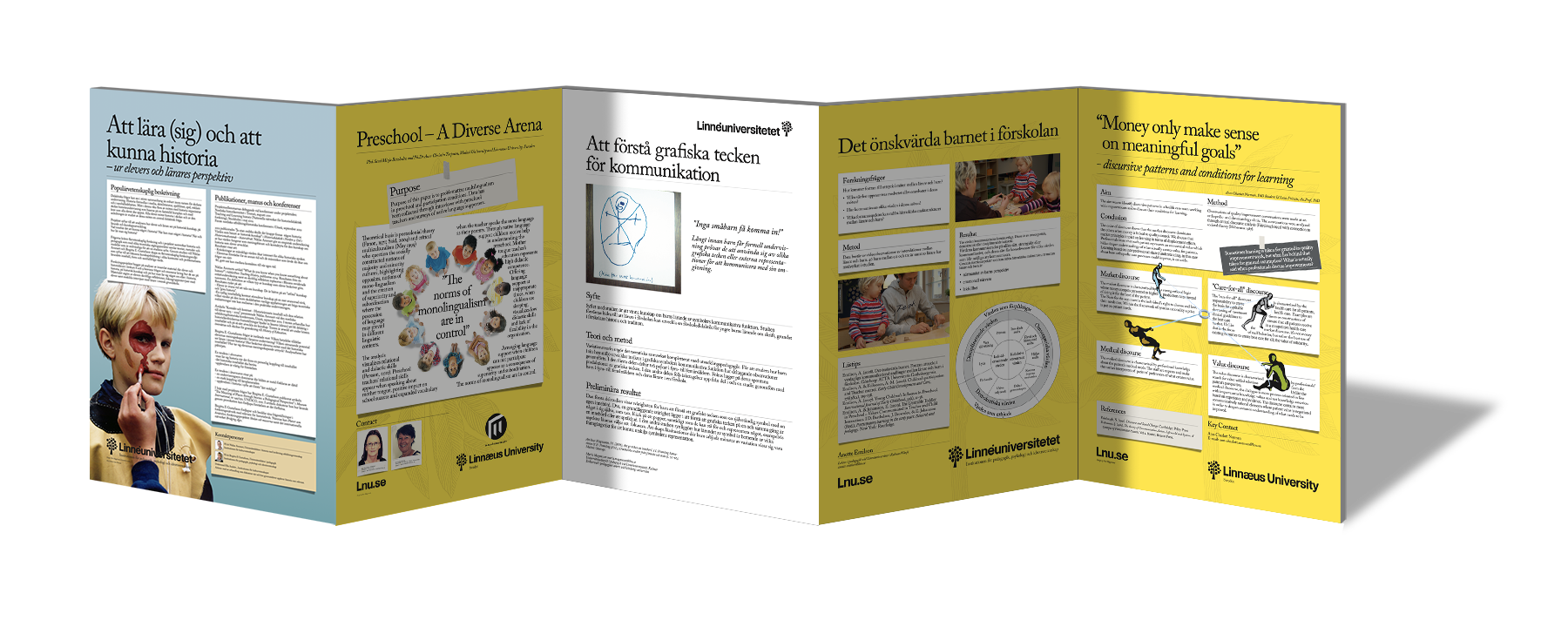
picture of a Poster wall

14:00 – 14:40

Keynote 5

“Reading Disorders and genetics: Effects and transfer effects from language and reading interventions”

Photo of Monica

Flag of NorwayMonica Melby Lervåg
University of Oslo, Norway

14:45 – 15:25

Group discussions in themes

Led by board members of EDA

15:30 – 16:00

Panel discussions

Group discussions, Keynotes and some reflections from the parallel sessions: Keynotes, BM’s from discussions and parallel sessions, summing up


16:00

Closing ceremony

Subscribe to our newsletter

* indicates required
 

What are you interested of? (one or many)

View previous campaigns.

European Dyslexia Association will use the information you provide on this form to be in touch with you and to provide updates and marketing. Please let us know all the ways you would like to hear from us:

You can change your mind at any time by clicking the unsubscribe link in the footer of any email you receive from us, or by contacting us at news@eda-info.eu. We will treat your information with respect. For more information about our privacy practices please visit our website. By clicking below, you agree that we may process your information in accordance with these terms.

We use Mailchimp as our marketing platform. By clicking below to subscribe, you acknowledge that your information will be transferred to Mailchimp for processing. Learn more about Mailchimp’s privacy practices.

Intuit Mailchimp